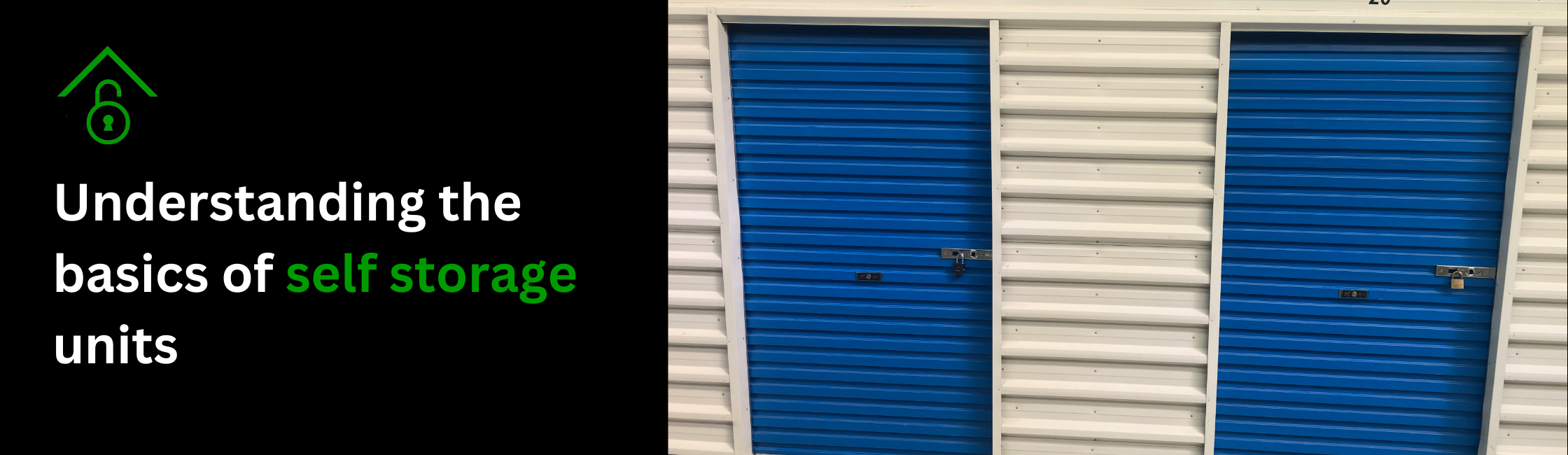
Understanding the Basics of Personal Self Storage Units
Navigating the world of personal self storage can be daunting. Especially if you’re new to it.
You may be asking, “What is self storage?” or “How does self storage work?” Perhaps you’re wondering about the costs involved. “How much does storage cost per month?” or “Where can I find cheap self storage near me?”
That’s where this guide comes in! We aim to demystify the basics of self storage. From understanding different types of storage units to the process of renting one.
Whether you’re an individual in need of personal self storage or a business looking for inventory space, this guide is for you.
What is Personal Self Storage?
Self storage is a service that offers a solution to your space needs. It’s a way to store your belongings outside of your home or office.
These belongings can be anything. From personal items like furniture and clothing to business inventory. Even vehicles and machinery can be stored.
The concept is simple. You rent storage at a self storage facility. You fill it with your items. And you have access to these items during the facility’s operating hours.
Self storage is flexible. You can rent a unit for a short period or for an extended time. It all depends on your needs.
It’s also secure. Most facilities have security measures in place. These can include CCTV cameras, gated access, and individual unit alarms.
In essence, self storage gives you an extra room. A room that’s available when you need it, for as long as you need it.
Types of Self Storage Units
There are several types of self storage units available. The type you choose depends on your specific needs.
Climate-controlled units maintain a steady temperature and humidity level. This is crucial for storing sensitive items like electronics.
Outdoor storage units offer easy drive-up access. They are ideal for storing vehicles, machinery, and other large items like boats or caravans.
Indoor storage units, on the other hand, provide added protection from the elements. They are typically located within a larger building and are ideal for your average household goods like clothing, furniture and season items like Christmas decorations.
Here’s a quick rundown of the different types of self storage units:
- Climate-controlled units
- Outdoor units
- Indoor units
How to Choose the Right Self Storage Facility
Choosing the right self storage facility is crucial. It’s not just about finding the cheapest option. There are several factors to consider.
Location is one of the most important factors. A facility close to your home or office offers convenience. But remember, facilities in urban areas may cost more than those in the suburbs.
Security is another key consideration. Look for facilities with CCTV cameras and gated access You want to ensure your belongings are safe.
Access hours are also important. Some facilities offer 24/7 access, while others have limited hours. Consider your needs and schedule when choosing.
Here are some factors to consider when choosing a self storage facility:
- Location
- Security features
- Access hours
- Cost
- Customer reviews and ratings
Lastly, it can be helpful to visit the facility in person before renting. This allows you to assess the cleanliness, security, and customer service firsthand.
Understanding Self Storage Costs
The cost of self storage can vary greatly. It depends on several factors. These include the size of the unit, location, and additional features.
In general, larger units cost more. But remember, it’s not just about size. A smaller, climate-controlled unit may cost more than a larger, non-climate-controlled unit.
Location also plays a big role. Units in urban areas or near city centers tend to be more expensive. On the other hand, facilities in rural areas or on the outskirts of town may be cheaper.
Here are some factors that affect the cost of self storage:
- Size of the unit
- Location of the facility
- Climate control and other features
- Access hours
Always compare prices from different facilities. And don’t forget to ask about discounts or promotions.
How Much Does Storage Cost Per Month?
The monthly cost of storage can vary widely. On average, you can expect to pay between $60 and $180 per month for uncovered storage. For indoor/covered storage, this is more like $200-$200 per month. But again, this depends on size, location, and features.
Remember, these are just averages. Prices can vary greatly from one facility to another. Always get quotes from multiple facilities before making a decision. The time of the year might also impact your price – for example a Winter storage promotion could afford you a discounted rate.
Finding Cheap Self Storage Near Me
Finding cheap self storage near you is easier than you might think. Start by searching online. Some facilities list their prices on their websites.
Consider facilities a little further from the city center. These are often cheaper. But remember to factor in the cost of travel.
Finally, don’t forget to ask about discounts. Some facilities offer discounts for long-term rentals, or for paying several months in advance. Some also offer referral discounts. It never hurts to ask.
Renting a Storage Unit: The Process
Renting a storage unit is a straightforward process. It starts with determining your storage needs. This includes the size of the unit and the duration of the rental.
Next, you’ll need to find a facility. Consider factors like location, cost, and security. Once you’ve chosen a facility, you can reserve your unit.
Here are the basic steps to rent a storage unit:
- Determine your storage needs
- Find a suitable facility
- Reserve your unit
- Sign the agreement
- Move your items into the unit
Remember, each facility may have its own specific process. Always check with the facility for exact details.
How Does Self Storage Work?
Self storage is a flexible solution for storing items. You rent a unit at a facility and fill it with your belongings. You can access your unit during the facility’s access hours.
Most facilities rent units on a month-to-month basis. This means you can rent a unit for as short or as long as you need. Some facilities also offer long-term rental discounts.
Remember, you are responsible for moving your items into and out of the unit. Most facilities do not provide moving services.
Security and Insurance for Your Stored Items
Security is a key factor when choosing a self storage facility. One way to keep yourself and your goods protected is by having insurance.
It’s important to understand what is and isn’t covered by your insurance provider.
Here are some points to consider when looking at security and insurance:
- Check if the facility is security monitoring
- Confirm your own personal insurance cover and details with your insurer
- Always keep a record of what is stored in your unit in case of loss or damage
Maintaining Your Storage Unit
Maintaining your storage unit is crucial to keep your items in good condition. Regular checks and cleaning can prevent damage and ensure your belongings are safe.
Pest control is an important aspect of maintenance. It would be very unusual for pests to be an issue in a good facility but it’s a good habit to check regularly for signs of pest, dampness etc.
Proper ventilation is also key. It prevents moisture build-up, which can lead to mold and mildew. Make sure your unit is well-ventilated, especially if you’re storing items that are sensitive to humidity.
Conclusion: Making the Most of Your Self Storage
Understanding the basics of self storage can help you make the most of this service. From choosing the right facility to maintaining your unit, every step is crucial.
With the right knowledge, you can ensure your belongings are safe and secure. Remember, a well-informed decision is always the best decision.